
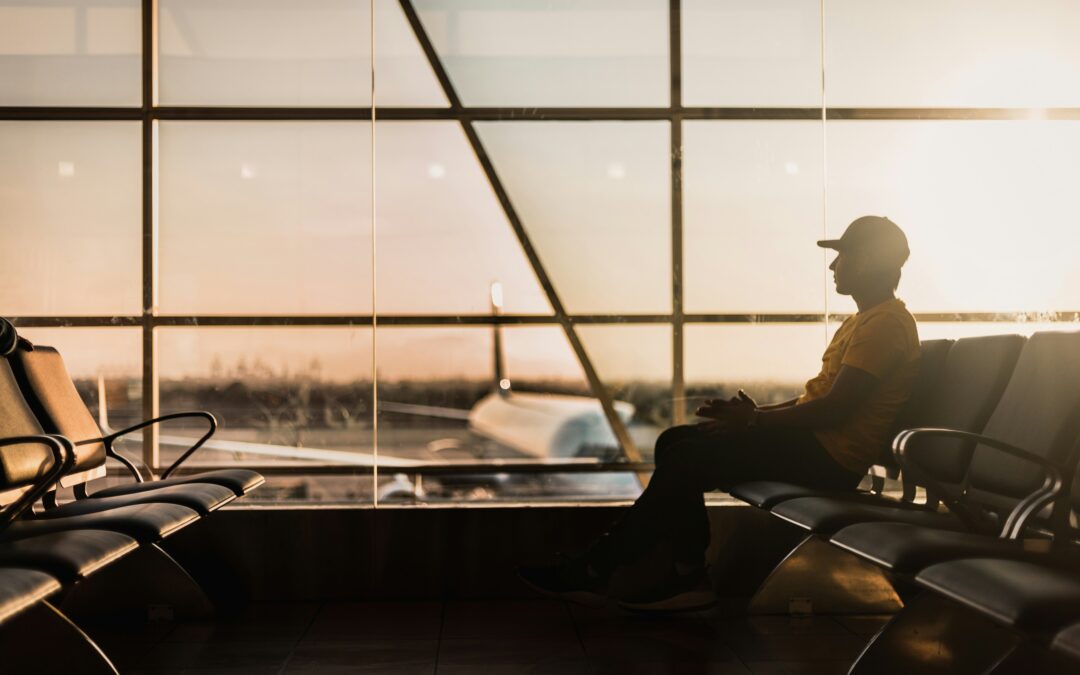
We are not built for waiting. Everything around us is designed to remove it. Same-day delivery, instant messaging, on-demand everything. We have engineered friction out of modern life so thoroughly that a thirty-second wait for a webpage feels like an imposition. And yet waiting has not disappeared. It has simply become harder to bear, because we have lost all the practice.
There is a particular kind of learning that only happens in the waiting, and it cannot be downloaded, shortcut, or rushed. Arriving gives us the thing we wanted. Waiting gives us something else entirely, and often something we needed more.
Waiting exposes what we actually want
When you get something quickly, you rarely have time to examine why you wanted it. The wanting and the having collapse into a single moment. But a long wait strips that away. Somewhere in month three or year two of waiting for a job, a diagnosis, a relationship, a breakthrough, you start to notice which desires fade and which ones hold.
The things we abandon during a wait were never really ours to begin with. They were passing wants, borrowed ambitions, the noise of comparison. What survives the wait tends to be the thing worth having. Waiting is a filter, and it does its work slowly.
Waiting builds the person who can hold the thing
Here is the part we resist. We assume the goal is to arrive, and the waiting is just the inconvenient gap before arrival. But often the waiting is doing the real work. It is forming the character, the patience, the resilience that the destination will demand of us.
A promotion handed to someone who has not been shaped by the wait usually crushes them. A relationship that arrives before either person has grown up rarely lasts. The wait is not punishment. It is preparation. The person who waits well arrives ready, and the person who skips the queue often finds they cannot hold what they grabbed.
Wait for the Lord; be strong and take heart and wait for the Lord (Psalm 27:14). Notice the repetition. The instruction to wait is bookended by strength, as though waiting were itself a form of courage rather than weakness.
What to do while you wait
Waiting well is a skill, not a mood. A few practices help.
- Name what you are waiting for. Vague waiting breeds anxiety. Specific waiting can be examined, questioned, and held with more peace.
- Tend the ground. You cannot control the arrival, but you can prepare for it. Learn the skill, mend the relationship, build the habit now, so you are ready when the time comes.
- Refuse to waste it. The temptation is to treat the wait as dead time. It is not. It may be the most formative season you get.
The arrival will not teach you this
When the thing finally comes, you will be grateful. But notice what happens next. The lesson of the wait fades almost immediately. Arrival has a short memory. It hands you what you wanted and quietly erases the years that formed you enough to receive it.
That is why the waiting matters so much. It teaches what arrival cannot, because arrival is too busy celebrating to sit you down and shape you. The wait is the classroom. The arrival is only the certificate.
So the question worth turning over this week is a simple one: what is your waiting trying to teach you, and are you paying attention, or just counting down?