
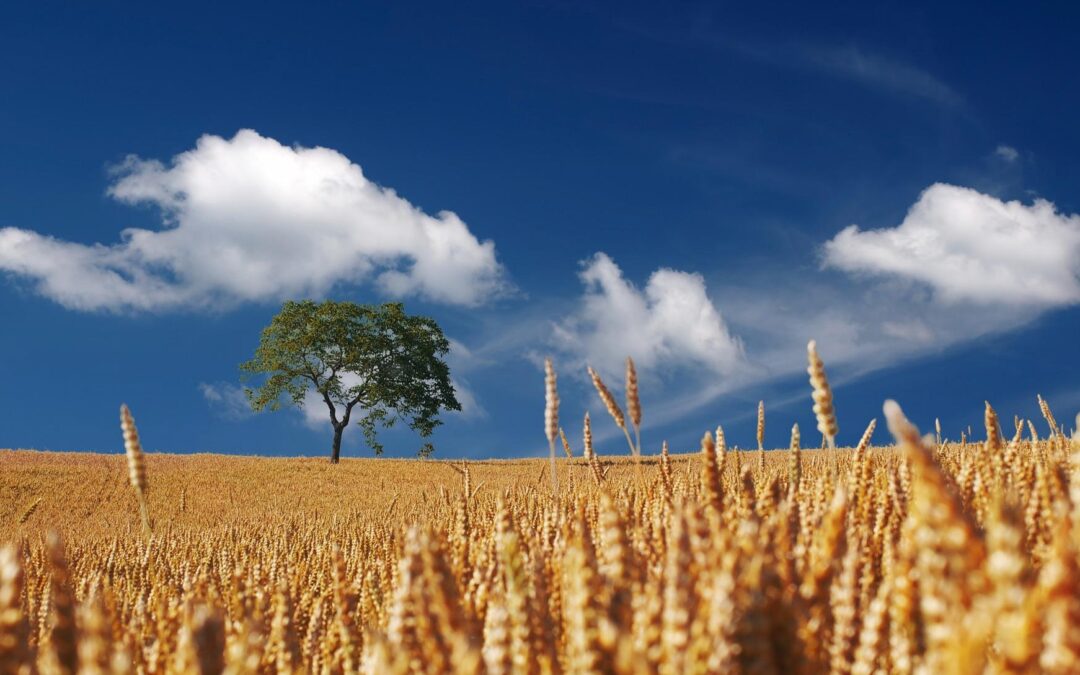
In 1687, Sir Isaac Newton published the law of gravity. It’s been revised by Einstein and refined since, but the underlying principle has held. Step off a roof, you fall. The law doesn’t care whether you believe in it. The biblical writers, long before Newton, pointed to another law that operates with similar reliability. They called it the law of the harvest. And like gravity, ignoring it has real consequences.
The verse to carry
“A man reaps what he sows.” (Galatians 6:7)
Paul writes the line without softening it. The whole letter to the Galatians is full of grace, and this verse sits near the end as a reminder that grace doesn’t suspend how life works. You still reap what you sow. The question is what you’ve been planting.
The three parts
The law has three parts, and each one matters.
- No reaping without sowing. No farmer expects a harvest from a field he hasn’t planted. The principle is obvious in agriculture and almost universally ignored elsewhere. We hope for outcomes we haven’t sown for. Strong relationships without investing in them. Spiritual depth without practising any of the disciplines that produce it. Solid character without the small daily choices that build it. The harvest doesn’t arrive on its own.
- Reaping in proportion to sowing. The farmer who sows sparingly doesn’t reap abundantly. Paul makes the same point in 2 Corinthians 9:6, that whoever sows sparingly will also reap sparingly. The proportion is real. A handful of seed produces a handful of crop.
- Time separates sowing and reaping. This is the part most people miss. No farmer sows on Monday and harvests on Tuesday. The seed has to be buried, lie hidden, and grow slowly underground before anything visible happens above the surface. The waiting is part of the design.
Where it shows up
The original passage that inspired this post applies the law to money. Generosity precedes provision. We receive in proportion to our giving. And God chooses the timing. That’s the financial dimension, and it’s real.
But the principle isn’t only about money.
The friendships that hold over decades were sown into. Calls made, meals shared, difficult conversations weathered. The kind of person you’ll be in ten years is being planted right now, in the small daily choices you’re making this week. The spiritual depth that some people clearly carry didn’t arrive by accident. It’s the harvest of years of quiet sowing.
The law operates everywhere. Most of us are slow to notice.
What goes wrong
Two patterns disrupt the harvest most often. The first is planting seeds we don’t actually want to reap. Anger. Gossip. Neglect. We sow them, often without noticing, and then look surprised when the harvest matches. Paul names this directly. Whoever sows to please the flesh will from the flesh reap destruction. It can’t be otherwise.
The second is giving up too soon. Most people walk away from meaningful work precisely in the gap between sowing and reaping. They sow for a while, don’t see the harvest yet, and conclude the principle doesn’t work. The seed needed longer underground. The harvest was on the way. They just couldn’t see it from where they were standing.
The unfashionable truth
Living by the law of the harvest is genuinely unfashionable in our age. Modern culture loves shortcuts. Build a following overnight. Lose the weight in a week. Most of what we’re sold ignores the third part of the law entirely. Time separates sowing and reaping. The genuine harvests of life simply don’t work on a quick schedule.
But the law operates in your favour the moment you start cooperating with it. The relationships you start investing in today are growing, even if you can’t see the harvest yet. The character you start sowing this year produces a harvest worth having ten years from now. The generosity you begin practising changes something underneath your life that no clever strategy could match.
Step off a roof, gravity acts immediately. The law of the harvest is slower. The consequences come all the same, in either direction.
So what are you sowing right now in the parts of your life that matter most, and is it really the harvest you want to be reaping in ten years?