
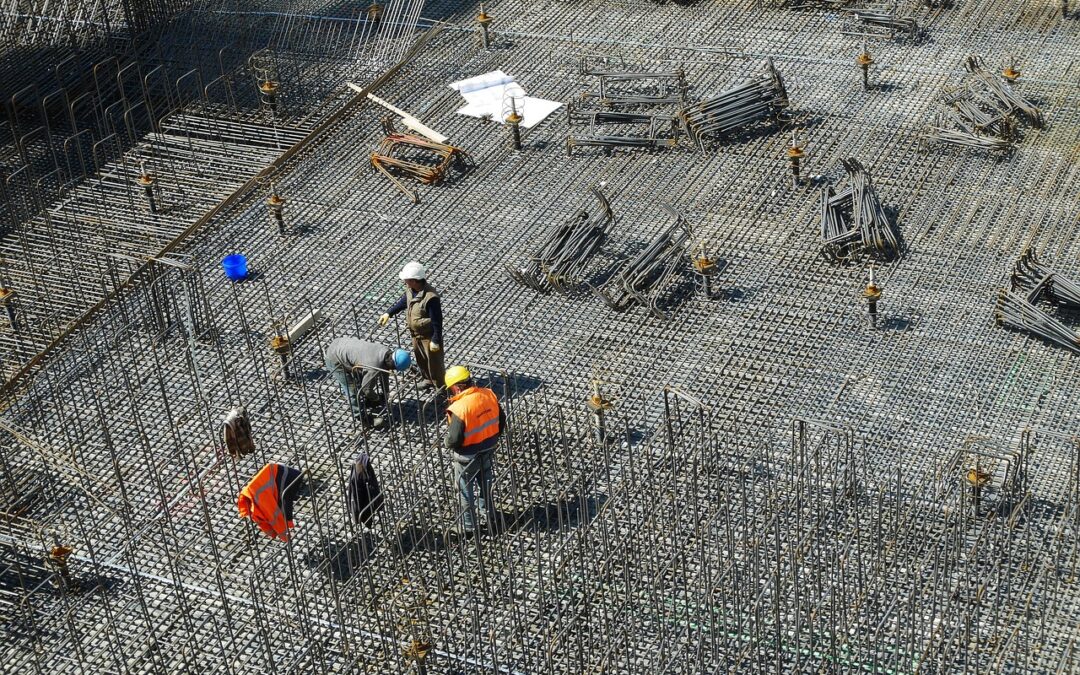
Picture what happens when someone builds a structure on soft ground without proper foundations. It might look fine for a while. The walls go up, the roof goes on, the place looks the part. Then the weather changes, or the ground shifts, or the years pass, and one day cracks start showing. Eventually, if nothing is done, the whole thing comes down. The collapse looks sudden when it happens, but the problem was there from day one. It was just hidden by everything that had been built on top of it.
The same principle applies to lives. People can look stable, successful, even admired, while the foundations underneath are slowly giving way. The cracks usually appear when life puts pressure on. Bereavement. Illness. Career upheaval. Relationship breakdown. The storms reveal what was always true about the foundations, even when the surface had hidden it well.
So what are we actually building our lives on?
The wise man and the rock
Jesus told a short parable that captures this exactly.
“Everyone who hears these words of mine and puts them into practice is like a wise man who built his house on the rock. The rain came down, the streams rose, and the winds blew and beat against that house; yet it did not fall, because it had its foundation on the rock.” (Matthew 7:24-25)
It’s a simple image, but the point lands. Hearing the right things isn’t enough. Building well takes the slower work of actually putting them into practice. The wise builder isn’t the one who knows more. It’s the one who acts on what they know.
Seven things that build well
A few practical principles for building a life on solid ground.
- Hear and actually understand. Make it a priority to engage with real wisdom, scripture, mentors, hard-won experience, the kind of voices that have stood the test of time. Don’t settle for the noisy version of the conversation. Go deeper.
- Put what you hear into practice. This is the one that separates most of us from the wise builder. Knowing isn’t the bottleneck. Acting on what we know is. The application is the foundation.
- Choose your ground carefully. The wise builder picked the rock instead of the sand. The choices you make about character, relationships, priorities, and where you spend your time are the choices that determine whether your foundation will hold.
- Be deliberate about what’s underneath. Faith. Integrity. Love. Resilience. None of these things show up in a crisis if they weren’t there in the calm. Build them into the slow stretches.
- Expect storms. The parable doesn’t say the storms might come. It says they will come. Building well isn’t avoiding the weather. It’s preparing for it. Cultivate the perseverance and inner strength now that you’ll need later.
- Stay grounded when it matters most. The wise builder’s house held because the foundation didn’t move. The same is true for us. When pressure comes, the temptation is always to compromise the things that ground us. Resist it.
- Trust beyond yourself. Ultimately, the kind of foundation that holds is one anchored in something deeper than your own willpower. For me, that’s faith. Praying, listening, reflecting, and trusting that you’re not building alone changes how the work feels and how it holds up.
The slow work
There’s nothing dramatic about building good foundations. It’s quiet, repetitive, often invisible. Nobody sees the footings of a house once the building is finished. Most people won’t see what you’ve laid underneath your own life either.
But the difference shows up the moment something tests it. Two people from the outside can look identical, similar jobs, similar families, similar profiles. Then a real storm comes. One stands. The other doesn’t. The difference was always in the ground they built on.
Standing firm
If you’re at a point in life where things are calm, that’s the time to look honestly at your foundations. What are you actually building on? Where are the soft patches you’ve been quietly ignoring? What needs reinforcing while you have the chance?
If you’re already in a storm, the same questions matter, just with more urgency. The foundations you reinforce now will determine whether you come through this stronger or just relieved.
So when the next real storm comes, what is the foundation you’re trusting to hold, and is it actually sitting on rock?