
On Friday 2nd June 2017, my doctor rang me. A routine blood test had come back with an unusually high PSA reading, and there was a real possibility I had prostate cancer. I’ll never forget that phone call. Few people do.
What followed was the kind of summer most people are spared. A contrast MRI scan on 30th June. A biopsy on 14th July. A full body bone scan on 11th August. The diagnosis came back exactly as feared. On 15th and 22nd August the urology team at Doncaster Royal Infirmary and The Royal Hallamshire prepared me, mentally and physically, for surgery.
At 1.45pm on Tuesday 5th September 2017, in a theatre at The Royal Hallamshire, I went to sleep while the surgical team removed my prostate, and the cancer with it. I woke up at 10.30pm.
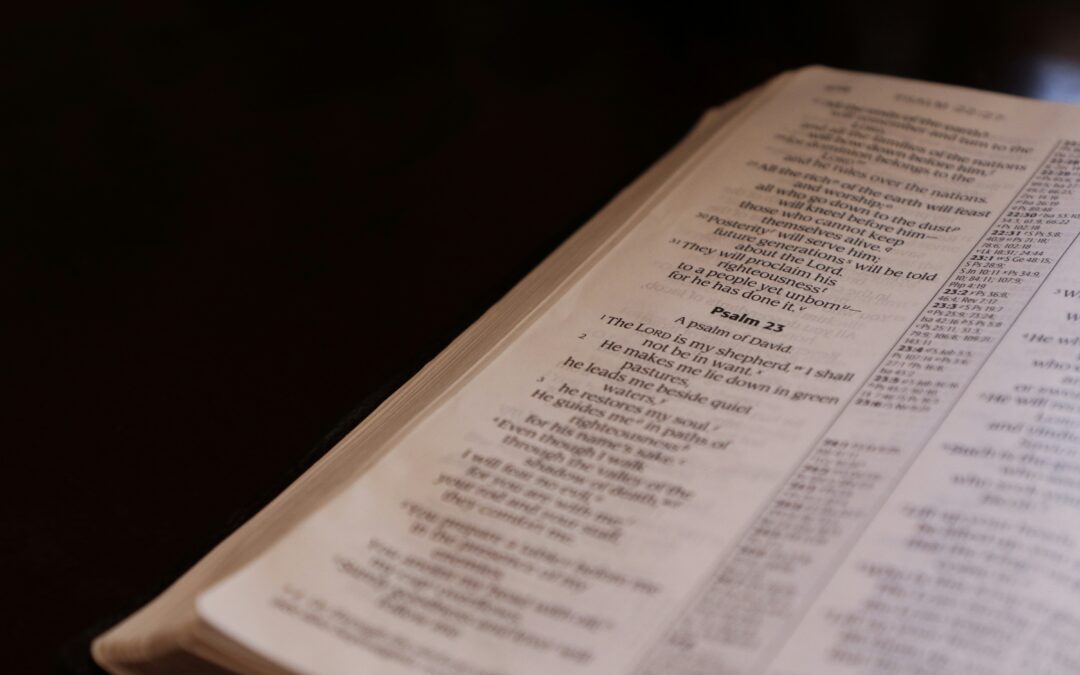
There were dark stretches on that journey. Real ones. But I came out of it carrying three things I hadn’t fully understood before. Psalm 23, the Shepherd Psalm, gives me the frame to share them.
1. We are all the same
“He makes me lie down in green pastures. He leads me beside still waters.” (Psalm 23:2)
When you’re stripped back by serious illness, when the diagnosis lands and everything else falls away, you discover something you might have suspected but never properly known. We are all the same.
The titles disappear. The differences shrink. A hospital gown is a great equaliser. Beneath all of it, we’re just people, fragile and beloved, trying to make sense of our short time here.
I met extraordinary people on that journey. Some brave, some terrified, some carrying weight I couldn’t begin to imagine. What struck me most was how interwoven our stories quietly are. None of us is making this journey alone, however lonely it might feel in the worst moments.
2. We are all going to die
“Even though I walk through the valley of the shadow of death, I will fear no evil, for you are with me.” (Psalm 23:4)
Most of us spend our lives quietly avoiding this fact. Cancer doesn’t let you. It puts mortality on the table and leaves it there.
Coming through the experience didn’t make me morbid. It made me clearer. We will all, every one of us, die. We don’t know when. We don’t know how. The only real question is whether we’ve made any kind of peace with that reality before it arrives.
For those who carry faith, death is a continuation rather than an ending. That changes how you live. It changes what you fear. And it gives you something to offer the people around you, who may be wrestling with the same questions but have no language for it yet.
3. Faith must make a difference
“You prepare a table before me in the presence of my enemies… my cup overflows.” (Psalm 23:5)
If faith is real, it has to show up in real life. Not just in the easy stretches. Especially in the hard ones.
How we live, how we tell our story, how we treat the people around us, all of it should be marked by what we believe. Our relationship with God should punctuate the journey, not just decorate it. If my story doesn’t spill out into the world I’m part of and help shape something better in the lives I touch, then something has gone wrong somewhere along the way.
Faith that costs nothing changes nothing.
The eight hours
I believe I spent eight hours in heaven during that operation. I won’t try to convince anyone of that here. I’ll just say that what I carried out of the theatre that night has stayed with me ever since. My faith didn’t just survive the experience. It deepened.
It now sustains me not only through the ordinary stretches of life, but in the face of whatever comes next. Including, eventually, death itself.
After the valley
If you’re walking through your own version of the valley right now, I’d want to say two things to you.
The first is that you are not alone. Other people have walked it. Some are walking beside you, even when you can’t see them clearly. And whatever you believe about God, I’d quietly add that he doesn’t tend to be furthest away in those stretches. Often, he turns out to be closer than you realised.
The second is that something usually comes out of the valley, even when it feels like nothing will. It’s rarely the thing you would have chosen. It’s often something better. Tougher than the version of you that went in. More compassionate. Less easily knocked.
So if you let yourself look honestly at your own mortality, even just for a moment, what would change about how you spent today, and the days after it?